Marylebone High Street Shops: A Village Shopping Guide
The quietest shopping street in central London, and a lot of people would call it the finest. Fifteen minutes from Oxford Street and it does not feel like the same city.
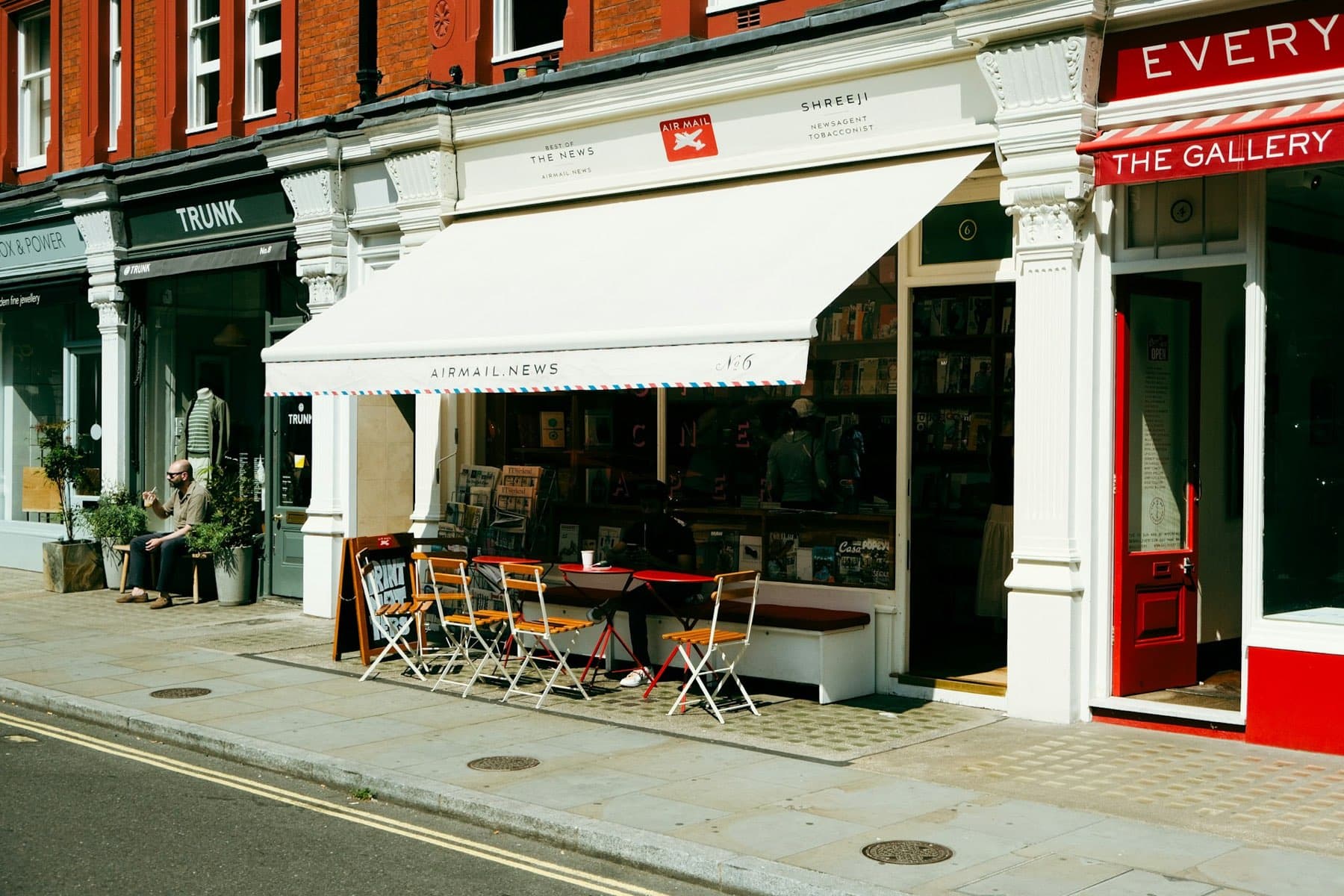
A landlord did this on purpose
Marylebone is not a village that survived by accident. It is one estate, held by one family through three hundred years and a run of female heirs, which is why its name changed from Newcastle to Oxford-Harley to Portland and finally to Howard de Walden, who inherited in 1879.
Most of what you see was built around 1900, when the estate rebuilt the street as old leases fell in. Then it went wrong. By the mid 1990s roughly a third of the stores on the high street stood empty.
What happened next is the interesting part. Rather than let the vacancies fill with whoever could pay, the estate curated the tenant mix deliberately, favouring independents and specialists over chains. Single ownership of a whole street is usually the enemy of character. Here it was the thing that saved it.
That is why the street reads as a village. Someone decided it should.
Walking it
The high street is the spine, but three of the four you actually came for are round the corners off it. Take the side streets.
Marylebone High Street
Daunt BooksNo. 83 to 84
An Edwardian bookshop from 1912 with oak galleries and a long skylight, shelved by country rather than genre. Worth the visit even if you buy nothing.
The Ginger Pig
A butcher with its own farm in North Yorkshire. People cross London for the sausages.
Moxon Street
La Fromagerie
Patricia Michelson's cheese room, with a tasting café attached. Go in cold and ask.
Marylebone Lane
V V Rouleaux
Ribbons, trimmings and braid, in a shop that should not still exist and thankfully does.
Cramer Street car park
Marylebone Farmers MarketSundays
Around forty producers of British seasonal food, every Sunday since 2003. The reason to come at the weekend.
Come for the food
Marylebone has the finest food shopping in central London and it is not particularly close. A butcher with its own farm, a cheese room with a tasting café, and forty producers in a car park every Sunday. You can do a genuine week's shop here from people who can tell you where everything came from.
How do I get there?
- Nearest tube
- Baker Street, on the Bakerloo, Jubilee, Circle, Hammersmith and City and Metropolitan lines, five minutes north. Bond Street on the Central, Jubilee and Elizabeth lines is a similar walk from the south.
- When to go
- Sunday for the farmers market. Any weekday morning if you want the street at its calmest.
- How long you need
- Two unhurried hours, which is the only speed this street works at.
- What else is close
- The Wallace Collection is on Manchester Square, five minutes south, and free. Regent's Park is ten minutes north.
Go, if you have the morning
Marylebone is the one street on this list where the shopping is the smaller half of the point. It is a place to spend two hours, not to complete a task.
Which is exactly what most weeks do not have room for.
STREET brings the street's independents to your door. Browse what they actually have, buy from the ones nearest you, and it comes to you instead. Marylebone is in our first launch area.
Go when you can. We will cover the weeks you cannot.
Join the waitlistNearby guides
Carnaby Street is fifteen minutes south through Soho. Notting Hill is the opposite of this street in every way.